
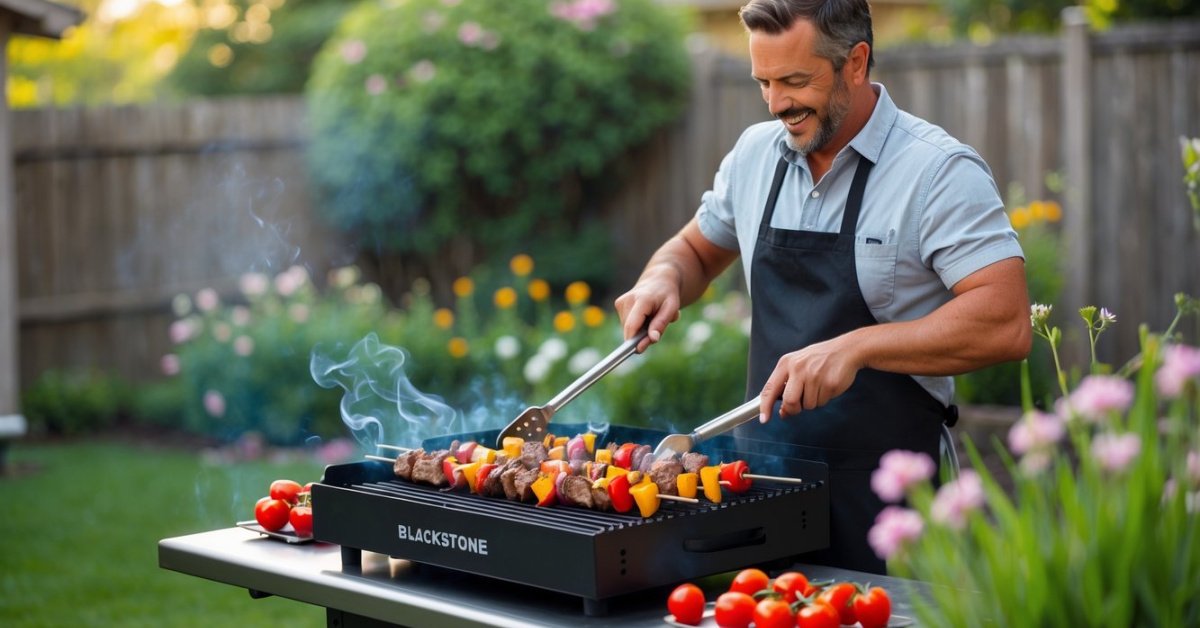
Grilling shrimp always feels a bit like a balancing act to me. I want those juicy bites with a smoky char but it’s far too easy to overcook them and end up with rubbery results. That’s why I started reaching for a thermometer every time I fire up the grill.
Using a thermometer takes the guesswork out of grilling shrimp. I get perfectly cooked shrimp every time without having to poke or cut them open. It’s a simple tool that lets me relax and enjoy the process—and my friends always notice the difference at the table.
Why Use a Thermometer When Grilling Shrimp
Using a thermometer guarantees shrimp reach the exact internal temperature for ideal doneness. Shrimp turn tough and rubbery fast if they go just a few degrees over. I always target 120–130°F for firm, juicy shrimp without risking foodborne illness, as recommended by USDA guidelines. Relying on color or texture alone leads to uneven results, especially when grilling a mix of large and small shrimp.
Consistent thermometer checks help me avoid the common pitfall of dried-out shrimp, something I see often at backyard BBQs. Grilling sessions run smoothly since a quick probe reading takes less than two seconds. Modern grilling thermometers, like my go-to instant-read models, make the process fast and accurate.
Thermometers also let me confidently grill for groups, eliminating the need to cut open shrimp or guess by sight. My friends often ask how I keep grilled shrimp tender and flavorful—precision with a thermometer is always my answer.
Choosing the Right Thermometer for Shrimp
Finding the right thermometer transforms how I grill shrimp. I look for tools that read fast, handle high temps, and give accurate results every time I test a new bbq recipe.
Types of Thermometers
- Instant-Read Thermometers: Instant-read models like the ThermoWorks Thermapen ONE or Lavatools Javelin give me results in 2–3 seconds. I use these the most since shrimp cook quickly and don’t allow much room for error.
- Digital Probe Thermometers: Digital probe options with cables, including the ThermoPro TP-16, work for monitoring multiple shrimp skewers at once but sometimes react too slowly for delicate seafood.
- Infrared Thermometers: Infrared thermometers check surface temps instantly. I rely on these for grill grates but not for shrimp’s internal temperature.
- Dial Thermometers: Dial (analog) thermometers like basic Taylor models are less accurate and take 10–20 seconds to stabilize, which slows down grilling sessions with fast-cooking shrimp.
What to Look For in a Thermometer
- Speed and Accuracy: Speeds under 5 seconds and +/- 1°F accuracy let me check several shrimp in one batch without losing heat.
- Probe Length: Probes at least 3 inches reach the thickest part of larger shrimp or skewered sets, avoiding tongs and grill flames.
- Water Resistance: Water-resistant or waterproof builds stand up to frequent rinsing, unexpected rain, and bbq sauce splashes.
- Display Readability: Large, backlit displays make reading temps under bright Texas sun or at night easy.
- Temperature Range: Ranges from 32–392°F (0–200°C) work for delicate shrimp as well as thick meats, keeping my bbq blade sharp no matter what’s on the grates.
I trust instant-read models most for grilling shrimp—they keep the process fast, safe, and always delicious.
Step-by-Step Guide to Using a Thermometer to Grill Shrimp Perfectly
Grilling shrimp with a thermometer guarantees those tender, juicy results, batch after batch. I rely on my expertise from running a Texas BBQ cart and endless experiments with new thermometers to create a system that works for every backyard cook.
Prepping the Shrimp for Grilling
Effective shrimp grilling with a thermometer starts at prep. I pat shrimp dry with paper towels, then toss them with oil and seasoning—classic mixes like Old Bay or just salt, pepper, and garlic powder for clean flavor. I thread similar-sized shrimp onto skewers or lay them out spaced apart in a grill basket. Consistent size means every shrimp cooks evenly and lets my thermometer readings stay accurate.
Monitoring the Temperature While Grilling
Active temperature monitoring transforms shrimp grilling. I use an instant-read thermometer and insert the probe sideways into the thickest part of a shrimp, making sure it’s in the center for a valid reading. Instant-read models grant results in about 2–3 seconds, letting me check multiple shrimp from the same batch fast. I test shrimp across the grill—placement can vary the heat, especially with charcoal. If my grill’s roaring, I flip the shrimp once, then start testing as soon as I see flesh turning pink and opaque.
Knowing the Perfect Temperature for Shrimp
Precise temperature control is key to perfect grilled shrimp. I pull my shrimp when the thermometer registers 120–130°F (49–54°C). Shrimp finish fast—usually after 2–3 minutes per side—so that quick thermometer check is critical. At this range, shrimp stay tender and juicy; surpassing 130°F, they turn tough and dry within seconds. I serve immediately, often relishing the consistency a reliable thermometer brings to every shrimp plate I share.
Common Mistakes to Avoid
- Ignoring Shrimp Size Variations
I always check for consistency in shrimp size since mixed sizes on skewers lead to uneven cooking. Smaller shrimp reach 120–130°F faster than larger ones, so I grill them separately to keep every piece perfectly juicy.
- Not Calibrating the Thermometer
I calibrate my thermometer before every grilling session because even the best models can drift over time. Water tests with ice or boiling water help confirm my device reads accurately, reducing the chances of overcooked or undercooked shrimp.
- Probing in the Wrong Spot
I insert my thermometer tip into the thickest part of the shrimp, not the tail or edge, because the center holds residual heat longer. Probing elsewhere gives misleading readings and risks rubbery or raw spots.
- Waiting Too Long to Check Temperature
I avoid waiting until shrimp curl tightly since they often overshoot 130°F by then. Quick checks after 2 minutes per side—especially over direct heat—prevent dryness and keep every batch tender.
- Forgetting to Clean the Thermometer
I always wipe the probe on a clean towel between uses, especially when grilling for groups. Cross-contamination or lingering flavors from previous sessions can impact taste and safety.
- Overcrowding the Grill
I make sure shrimp lay in a single layer with enough space for probe access. When I pack skewers or pile shrimp too closely, trapped heat and steam give me false high-temperature readings and uneven results.
Tips for Enhancing Flavor and Texture
- Marinate shrimp with bold flavors
I boost flavor by marinating shrimp in blends like garlic-lime, lemon-herb, or Cajun seasoning for at least 30 minutes before grilling. These marinades help shrimp absorb flavor fast thanks to their delicate texture.
- Use high heat for quick searing
I grill shrimp over high direct heat, which locks in juices, adds a smoky char, and keeps the inside succulent. Quick grilling takes about 2–3 minutes per side at 450–500°F.
- Brush with butter or oil while grilling
I brush shrimp with melted butter, olive oil, or chili oil as they grill, helping to prevent sticking and promoting a golden-brown crust.
- Sprinkle finishing seasoning right before serving
I finish grilled shrimp with a sprinkle of finishing salts, fresh herbs, or citrus zest. This final touch intensifies aromatics and adds brightness after cooking.
- Monitor carryover cooking off the grill
I remove shrimp from the grill as soon as the thermometer hits 120–130°F because residual heat carries them a few degrees higher. Resting off heat for one minute preserves juiciness.
- Skewer for even cooking and easy handling
I thread shrimp onto flat metal or soaked wooden skewers, making them easier to flip and keeping them from falling between grill grates. Skewering also helps batches cook evenly, especially when sizes vary.
- Pair with simple sides to highlight texture
I serve grilled shrimp next to fresh slaw, citrus salads, or grilled vegetables, letting the tender, charred texture of the shrimp stand out without competing flavors.
Each of these steps, tested on my old Texas bbq cart and at home with different thermometers, consistently delivers shrimp that get attention for both flavor and perfect grill texture.
Conclusion
Grilling shrimp doesn’t have to be a guessing game. With my trusty thermometer I can focus on enjoying the process and the company around the grill instead of worrying about overcooking. There’s a real satisfaction in serving shrimp that’s perfectly tender and full of flavor every time.
If you haven’t tried using a thermometer for shrimp yet give it a shot on your next cookout. You might be surprised at how much easier and more fun grilling can be when you know each bite will be just right.


