
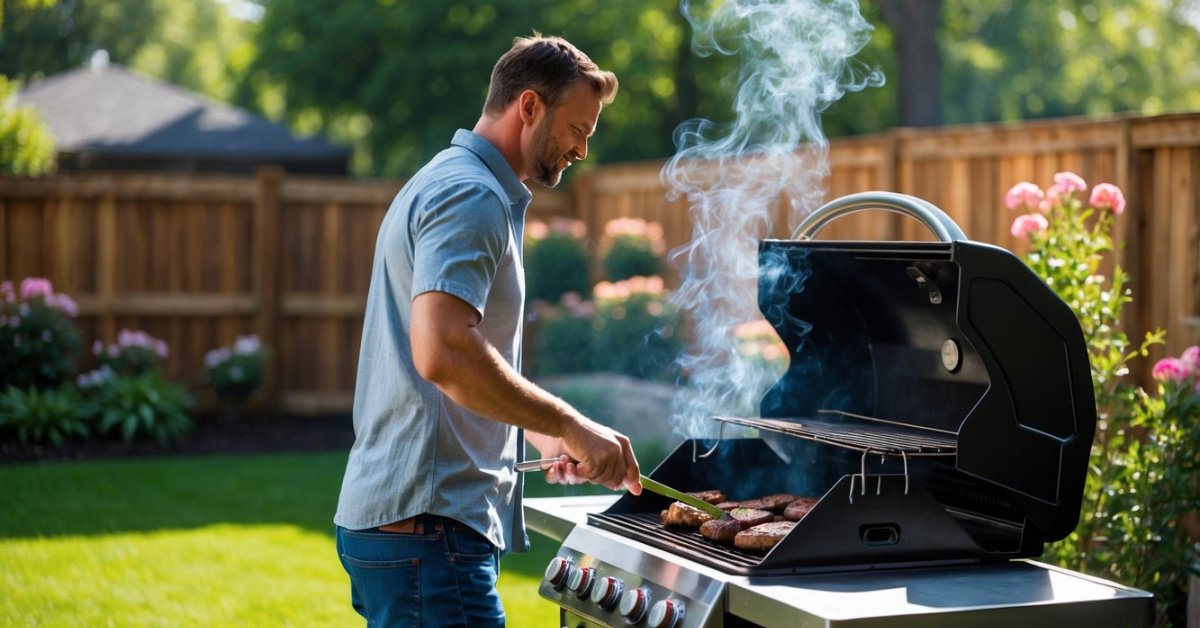
Grilling’s one of my favorite ways to cook because nothing beats the flavor of food hot off the grill. But I know how tricky it can be to keep an eye on the temperature while juggling burgers, veggies, and maybe a cold drink. That’s where magnetic thermometers come in and make life so much easier.
I’ve found that these little gadgets stick right where I need them, so I don’t have to fumble around or guess if the grill’s hot enough. With a magnetic thermometer, I can focus on perfecting those grill marks and spending more time with friends instead of worrying about overcooking dinner.
What Are Magnetic Thermometers?
Magnetic thermometers use built-in magnets to stick to metal surfaces on grills or smokers. I attach them to lids, shelves, or side panels, keeping the temperature sensor in sight. These thermometers give real-time readings right at the grill, not just at the handle or a distant table.
I rely on digital magnetic thermometers for fast, precise numbers in °F or °C—some models offer both. Several types include leave-in probe thermometers, surface gauges, and wireless units with magnetic receivers. For example, my leave-in probe stays in the smoker throughout a brisket cook while the magnetic display sits front and center on the grill hood.
Quick installation means I move these thermometers between my offset smoker and pellet grill without tools or fiddly clips. This makes magnetic thermometers a favorite of mine for every grilling session, no matter the recipe or setup.
Key Benefits of Using Magnetic Thermometers for Grilling
Magnetic thermometers have made grill-side temp checks quick and seamless for me. I get crisp, real-time readings and never lose sight of the numbers while I’m handling brisket or burgers.
Hands-Free Temperature Monitoring
Hands-free temperature monitoring means I avoid holding or propping up my thermometer while flipping steaks or closing the smoker. Magnetic thermometers snap right onto metal grill surfaces, like hood doors or shelves. I get continuous, clear displays that help me multitask—grilling ribs while prepping sides or chatting with guests, without missing a beat.
Easy Placement and Relocation
Easy placement and relocation on a grill make magnetic thermometers practical tools. I stick the device in the most viewable spot—front panels or side tables—based on the grill type I’m using. Switching between my offset smoker and my kettle grill takes seconds, not minutes. If I move to another cooking zone or a bigger pit, repositioning the thermometer takes just a simple lift and stick.
Enhanced Safety While Grilling
Enhanced safety while grilling comes standard with magnetic thermometers. I avoid reaching into hot spaces or risking burns because I don’t need to hold or manually adjust the display. Staying further from open flames and hot metal keeps my hands and arms out of danger. Models with larger digital readouts or wireless features also let me step away from the grill entirely while still checking temps from a distance.
Comparing Magnetic Thermometers to Traditional Options
I’ve tried every kind of grilling thermometer on the market, and magnetic models stand out for their convenience. Comparing them to traditional units highlights some key differences that can make a big impact for any griller.
Wireless vs. Magnetic Features
Magnetic thermometers attach directly to grill lids, side shelves, or smoker doors, while wireless models sit on a table or hang from a hook. Magnetic types let me glance at temperatures while flipping burgers, with no need for a separate base unit.
Wireless thermometers offer a longer wireless range plus app integration, but magnetic thermometers keep the sensor and display in one spot, stuck right where cooking happens. This means fewer lost or dropped parts and a more hands-on experience. For example, some magnetic thermometers with digital displays show pit and meat temps on the same screen—ideal for Texas brisket or ribs.
Durability and Maintenance
Magnetic thermometers often use solid, weather-resistant exteriors and sealed electronic components. I rinse mine off after hitting them with sauce or grease, and they keep working. Traditional dial thermometers can fog up or lose calibration when exposed to moisture or heat long-term.
Wireless sensors sometimes fail after repeated high-heat exposure or if grease builds up on probes. Magnetic thermometers with stainless steel probes clean up fast and usually last longer with basic care, especially in setups where heat and humidity change quickly. For busy backyard cooks, less maintenance means more grilling and less time worrying about equipment.
Tips for Getting the Most Out of Magnetic Thermometers
- Choose solid mounting spots for high accuracy
I place my magnetic thermometer near the grill grates—close to the food but away from direct flames or vent openings—to get the most accurate readings. Heat spikes around flame zones or exhausts skew results.
- Test placement before full cook
I stick the magnetic base in a few spots and check the display for consistency before starting a big cook. I note which areas give me regular temperature swings or inconsistent readings for future sessions.
- Clean magnets and grill surfaces often
I wipe both the magnet and grill surface with a damp cloth before grilling; grease and debris build-up can weaken the hold and risk the thermometer falling. I never leave the thermometer on a hot lid after cleaning, letting everything dry first.
- Monitor display for visibility
I angle the magnetic display where sunlight won’t cause glare and double-check that it’s easily visible from my main workstation. This keeps me from moving the thermometer mid-cook or guessing the number.
- Rotate between grill zones for variety cooks
I move my thermometer from hot zones (like over burning charcoal) to cooler indirect zones (like under low heat) to compare temperature drops or spikes for ribs, brisket, and poultry.
- Store inside when not in use
I always bring my thermometer indoors after a session—even weather-resistant models last longer without rain, humidity, or dust exposure.
- Replace batteries regularly for digital models
I keep an extra set of batteries handy for digital magnetic thermometers. Slow updates or faint displays often mean low power, not malfunction.
| Tip | Best Practice | Context Example |
|---|---|---|
| Mounting location | Near grates, away from vents/flames | Brisket over indirect heat zone |
| Placement testing | Try spots, compare readings | Rotating thermometer during warmup |
| Cleaning | Wipe magnet and grill surface before use | After each rib or steak cook |
| Visibility | Angle display out of direct sunlight | Daytime grilling sessions |
| Zone rotation | Move thermometer between zones as needed | Smoked chicken and ribs in one session |
| Storage | Indoors after grilling | Evening and overnight storage |
| Battery replacement (digital models) | Keep extras, check display performance | Before long low-and-slow cooks |
Conclusion
After years of grilling and experimenting with different tools I’ve found that magnetic thermometers make outdoor cooking a lot smoother. They let me focus on enjoying the food and company rather than fussing with equipment or worrying about temperature control.
If you love grilling as much as I do and want a hassle-free way to track your heat these handy thermometers are worth a try. They’ve really changed the way I grill and made every cookout a little more relaxed and fun.


