
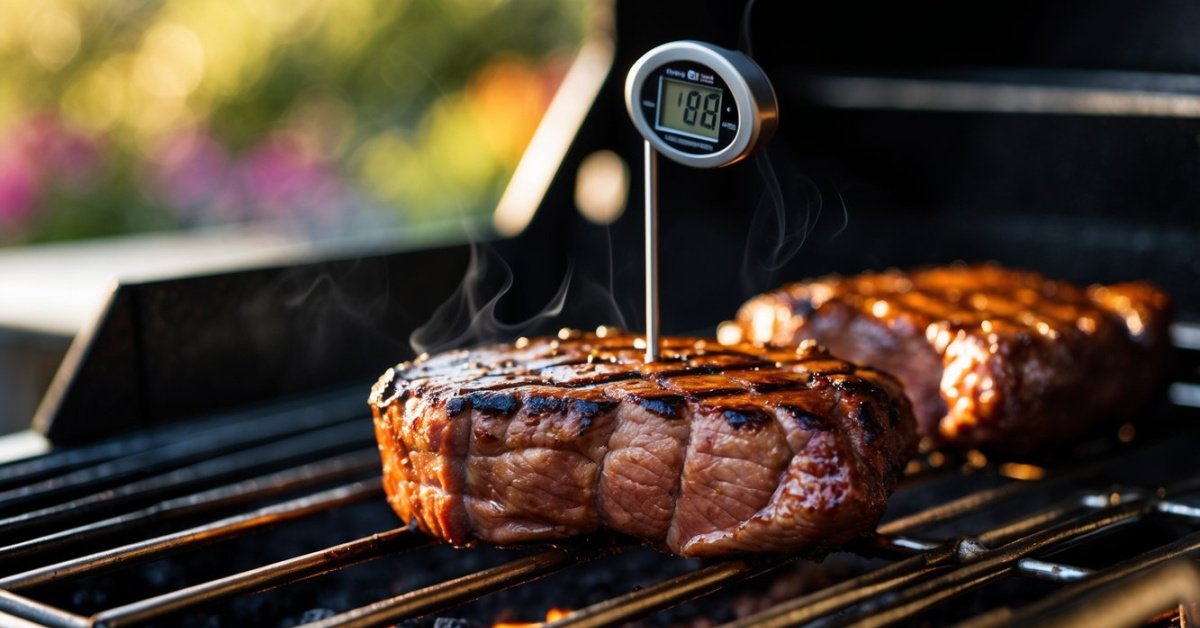
Nothing beats the mouthwatering aroma of brisket slowly smoking on the grill. I’ve learned that nailing that perfect tender bite isn’t just about patience or the right rub—it’s all about temperature. If I want juicy brisket every time, I need to know exactly what’s happening inside that hunk of meat.
That’s where a good thermometer comes in. It takes the guesswork out of smoking and lets me cook with confidence. Whether I’m a seasoned pitmaster or just getting started, using a thermometer helps me hit that sweet spot between undercooked and overdone.
Why Accurate Temperature Matters When Smoking Brisket
Hitting the right temperature means brisket comes out juicy and tender every time, not dried out or tough. I’ve learned from running my Texas BBQ cart that guessing with time or poking brisket won’t get repeatable results. Only precise temperature tracking guarantees brisket hits the ideal doneness.
Accurate readings prevent the common problem of brisket stalling or overcooking. Internal brisket temperature, not just smoker air temp, tells me when collagen breaks down and fat renders—for example, a brisket usually gets tender between 195°F and 205°F (source: USDA, Texas Monthly BBQ). Even a 5°F difference changes texture and juiciness.
Consistent temperature control helps me avoid food safety risks. Undercooked brisket risks harmful bacteria if it stays under 145°F too long (source: USDA Food Safety). Overcooked brisket gets stringy and dry. By monitoring with a grilling thermometer, like a digital probe model, I can pull brisket at its peak.
Accurate thermometers save me money by preventing wasted meat. Briskets aren’t cheap, and after years of testing probes, I’ve seen that reading temps at multiple points in a large cut evens out any cold spots or hot zones in the smoker. Fast, reliable digital thermometers, for example, ThermoWorks or Inkbird, give me the control I need to turn out brisket worth serving on a food cart or to friends at home.
Types of Thermometers for Smoking Brisket
Brisket demands both patience and precision. I’ve tested dozens of thermometers at my old Texas food cart and in my home kitchen to hone the process. Reliable temperature checking starts with knowing what type of thermometer fits each grilling situation.
Instant-Read Thermometers
Instant-read thermometers give quick brisket temperature results with just a probe press. I use mine every time I want to spot-check several brisket spots. Most models deliver digital results on a large display in under 5 seconds. Brands like ThermoWorks Thermapen ONE and Lavatools Javelin PRO Duo consistently read within ±0.7°F accuracy, which is essential when aiming for a perfect 203°F finish. Instant-reads aren’t designed for in-smoker use during the cook, but they’re crucial for confirming doneness or checking multiple points for even cooking.
Leave-In Probes
Leave-in probe thermometers monitor brisket temperature during the entire smoking session. I rely on dual- or multi-probe models, such as the ThermoWorks Signals or MEATER Plus, for long cooks. Their probes stay in the meat and sometimes the smoker, transmitting real-time readings to a handheld unit or smartphone app. This feature prevents opening the smoker lid, which costs precious heat and smoke. High-end leave-in probes measure to ±1°F accuracy, track as many as four zones at once, and permit alarms for specific temperature targets—key features for larger briskets or cooks who like to multitask.
Step-By-Step Guide: How to Use a Thermometer for Smoking Brisket
Accurate temperature readings shape every brisket I pull off the pit, whether I’m running a busy food cart or experimenting at home. Here’s how I get the best from any grilling thermometer when chasing that perfect, Texas-style slice.
Preparing Your Thermometer
I always make sure my thermometer’s clean and working before every smoke. I wipe the probe with an alcohol pad after each use to keep it sanitary, especially for long smokes like brisket. For digital models, I check the battery with a quick power-on. I calibrate mine in ice water or boiling water at least monthly—if the reading’s off by more than 2°F, I recalibrate or replace it. For wireless or multi-probe models, I sync the units ahead of time to avoid any connection issues during a long cook.
Proper Placement in the Brisket
Probe placement affects every reading I pull from my brisket. I insert the thermometer into the thickest part of the flat, away from fat pockets or bone, never hitting the fat seam. For larger briskets, I use two probes—one in the flat and one in the point—to track both muscles. I make sure each probe sits right in the center for an honest look at the coldest part. For instant-read checks, I test several spots and always double-check if temps are less than 195°F.
Understanding Temperature Readings
Brisket feels ready for slicing at 195°F to 205°F, but texture matters most. I track both internal meat temp and smoker air temp with my thermometer—this keeps me ahead of stalls or flare-ups. If my brisket plateaus near 150°F, it’s hitting the “stall”; that’s normal, and extra patience pays off. Once the probe slides in with no resistance, I know I’ve hit that perfect tenderness. I rest the brisket for at least an hour after the final reading hits my target range, letting juices redistribute fully.
Tips for Monitoring Brisket Temperature Throughout the Smoke
- Place the probe in the thickest part of the brisket
I always insert the thermometer probe horizontally into the center of the flat, away from fat pockets or the point. Only the thickest section provides an accurate reading of the slowest-cooking part of the meat.
- Avoid touching bone or fat with the probe
I check that the probe’s tip sits squarely in the meat, not resting on bone or buried in a fat seam. Contact with bone or fat skews the temperature by 5°F to 15°F, according to ThermoWorks data.
- Monitor both brisket and smoker temperatures
I keep one probe in the brisket and another in the smoker to track changes. Fluctuations over 25°F register quickly, so early adjustments keep the cook on pace for a tender finish.
- Minimize lid openings
I resist opening the smoker more than once every hour. Every time I check the brisket, I let out much of my steady heat, sometimes dropping the chamber temperature by 20°F or more.
- Track the stall
I watch for the “stall” near 160°F to 170°F, when evaporation slows brisket’s rise toward doneness. When the temperature stops moving for over an hour, I wrap the brisket in butcher paper or foil to push past the stall and hold in moisture.
- Log key temperatures
I jot down when the brisket passes through 150°F, 170°F, and the target range 195°F to 205°F. Recording these points helps me spot trends in my smoker and replicate results for future brisket sessions.
- Use remote or wireless thermometers
I opt for remote digital grills with wireless probes—like Thermoworks Smoke or MEATER—when running long cooks so I can monitor my brisket from inside, in the yard, or even run errands while keeping an eye on progress.
- Calibrate before each smoke
I test and calibrate my thermometer using boiling water before every big brisket. Just a few degrees off can mean serving overcooked or undercooked meat to a crowd.
- Rest after the finish
I remove the brisket at about 200°F, then let it rest with the probe in place. I watch the temperature drop and stabilize, knowing this lets juices redistribute and locks in the best flavor and texture.
Common Mistakes to Avoid When Using a Thermometer
Ignoring Calibration
I see brisket cooks get burned by uncalibrated thermometers often. Thermometers that aren’t checked can give false readings, with a 10°F swing making brisket too tough or underdone. I always check my gear in ice water and boiling water before a smoke.
Wrong Probe Placement
I notice new grillers stick probes near fat caps or bones, leading to off readings. Placing the probe in the thickest part of the flat, away from fat pockets and bone, gives me the best measure of true doneness every time.
Opening the Smoker Too Often
I used to pop the smoker lid just for a quick thermometer check. Each open knocks heat out, adding minutes or hours to the cook. Remote or leave-in thermometers cut down on lid openings and keep smoker temps stable.
Stabbing the Brisket Repeatedly
I see pitmasters poking briskets twelve times in one cook. Extra holes let juices escape and dry out meat. I make one careful placement and trust the probe unless I’m double-checking with an instant-read at the end.
Ignoring Resting Temps
I learned the hard way that brisket keeps climbing in temp after pulling it from the smoker. Removing it at target temp, then wrapping to rest, lets carryover finish the job. Skipping the rest or checking too soon can give a false low reading and chewy slices.
Using Dirty Thermometers
I keep my probes clean after each use. Grease and soot can coat the tip, slow response, and throw off readings. Quick wipes with alcohol pads after each brisket save me cleaning time and ruined meat.
Forgetting to Track Ambient Smoker Temperature
I always monitor not just the brisket but the smoker air temp with a second probe. Meat can be perfect but tough if the smoker runs way too hot or cool for hours. Ambient readings help me tweak my vents or fuel mid-cook.
Not Logging Temperature Data
I log each brisket cook: time, temps, and probe placements. Missing this tracking makes it impossible to repeat a great brisket. Whenever I nail a perfect bark and tender slice, the log lets me copy it for the next smoke.
Conclusion
Mastering the use of a thermometer for smoking brisket has made all the difference in my barbecue game. With a little attention to detail and some practice, I’ve found it much easier to get that perfect brisket every time.
Whether I’m cooking for family or friends, the confidence that comes from knowing my temperatures are spot-on is unbeatable. Don’t be afraid to experiment and track your results—every brisket is a chance to learn and improve. Happy smoking!


