
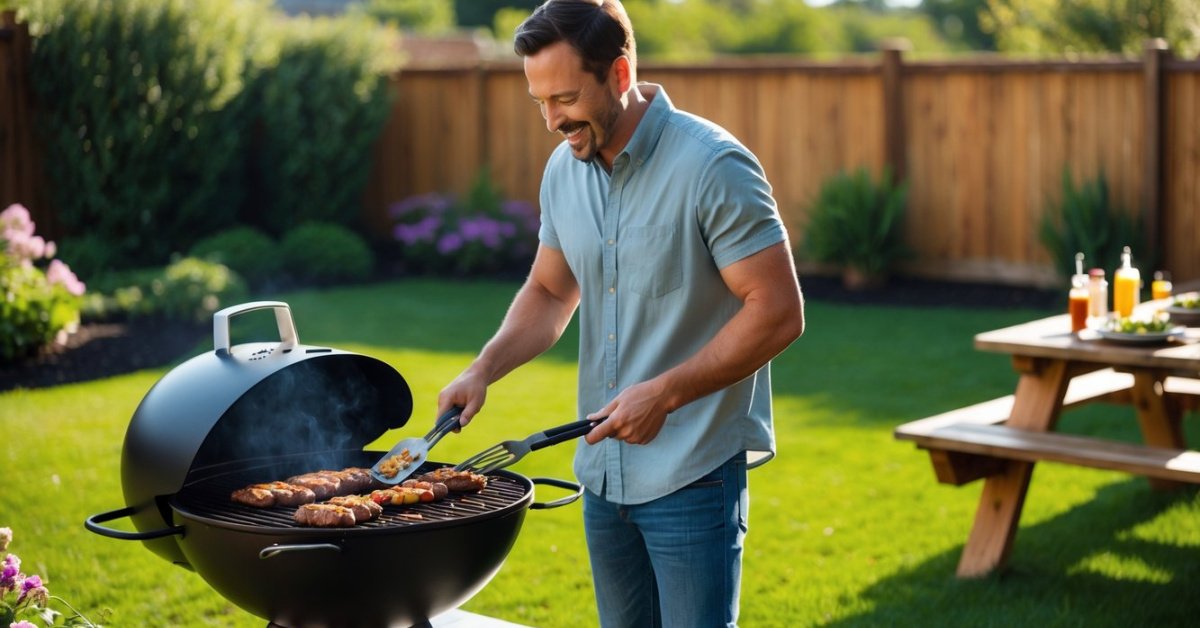
Nothing beats the thrill of firing up my pellet grill and watching smoke curl around a rack of ribs or a juicy brisket. But I know that nailing the perfect doneness isn’t just about instinct—it’s all about temperature. That’s where a trusty thermometer becomes my secret weapon.
Using a thermometer with my pellet grill takes the guesswork out of every cookout. I can relax with friends and family while still keeping an eye on my food’s progress. With a few simple tips, I’ve found it’s easy to get delicious results every time.
Understanding the Importance of Temperature Control
Temperature control plays a crucial role in pellet grill cooking. I’ve found that even top-quality brisket or pork shoulder can turn out dry or undercooked if temperatures fluctuate too much. Pellet grills, like Traeger and Camp Chef units, keep heat steady but can’t guarantee accuracy without a trusty thermometer reading.
Precise temperature readings directly affect meat texture and doneness. For example, I get melt-in-your-mouth ribs by keeping the internal meat temp at 195°F-203°F, while poultry needs to reach 165°F for safe results, per USDA guidelines. Grill surface temperatures also matter—swinging above or below the target by just 10°F can shift smoke flavor, bark formation, and cooking speed.
I’ve learned from my years running that Texas bbq cart that guessing grill temps often led to overcooked or ruined proteins. Controlled temps give predictable, repeatable results, especially for challenging meats like brisket or when smoking multiple items at once.
Accurate thermometers remove the mystery from pellet grill BBQ sessions. Instead of opening the lid repeatedly to check, I use digital probes or wireless monitors. This way, I track both the grill’s hot spot and the food’s core temperature right from my prepping station, letting me enjoy the cookout while keeping control over every stage of the process.
Types of Thermometers for Pellet Grills
Testing different thermometers on pellet grills, I’ve found that no single type covers every scenario. I always match the thermometer to the meat I’m grilling and the level of precision I need.
Built-In vs. External Thermometers
Comparing built-in thermometers to external models, I notice major differences in accuracy and monitoring. Built-in thermometers, like analog dials set in grill lids, often show ambient grill temperature but not food temperature. I’ve tested built-in units on brands like Traeger and Pit Boss and found up to 40°F variance compared to reliable external probes. External thermometers, such as the ThermoWorks Smoke and MEATER, provide food-specific readings and allow placement beside meat for surface temperature checks. Choosing an external thermometer adds accuracy, especially for larger cuts like brisket or pork shoulder.
Wired vs. Wireless Options
Evaluating wired versus wireless thermometers, I prioritize control and convenience. Wired thermometers, like ThermoPro TP20, use probes attached by cables to a digital display outside the grill, letting me track two cuts of meat simultaneously. Wireless thermometers, including models like MEATER Plus and FireBoard 2, rely on Bluetooth or Wi-Fi, sending temperature data to my phone. Wireless systems eliminate the hassle of running cables through the grill lid, making them better for frequent grill checks from inside the house or across the yard. I always pick wireless when grilling overnight or entertaining, since I can keep an eye on temps without being chained to the smoker.
Preparing Your Pellet Grill for Accurate Readings
Accurate thermometer readings depend on a well-prepped pellet grill. I always double-check my setup before tossing any meat on the grates to avoid drifting temps and off results.
Placement of the Thermometer Probe
Probe placement on a pellet grill affects temperature accuracy. I insert food probes into the thickest part of the meat—center mass for brisket, deepest point of rib racks, or the fleshiest part of poultry thighs, avoiding bones and fat pockets that can skew readings. For ambient probes, I position them 2–3 inches above the grate, close to but not touching the protein, and away from direct hot spots like sidewalls or fire pots. This method reflects the true cooking environment. I avoid putting probes near the edge of the grill or too close to a vent, since drafts or radiant heat can throw off numbers.
Calibrating Your Thermometer
Thermometer calibration ensures reliable readings on your pellet grill. I test my probes using an ice bath (should read 32°F) and boiling water (should read 212°F at sea level), adjusting for altitude if needed. If my thermometer lets me recalibrate, I follow manufacturer instructions to dial in the numbers. I repeat these checks monthly or before a critical cook, since even quality probes can drift over time. Regular calibration gives me the confidence to trust every reading, so I know my brisket or ribs are truly done when the thermometer says so.
Best Practices for Monitoring Temperature
Staying on top of temperature makes every pellet grill session smoother and more predictable. I’ve found these best practices save time and ensure juicy, perfectly cooked meats every time.
Avoiding Heat Loss During Checks
Limiting heat loss helps maintain steady temps and consistent results. I always check my thermometer readings through the grill’s viewing window whenever possible. If the model lacks a window, I use a remote thermometer to track temps from a distance. Opening the lid causes major heat fluctuations in pellet grills—every minute open can drop temps by over 25°F. I only open the lid when absolutely necessary, like adding sauce or wrapping meats. Keeping checks brief and infrequent protects the internal temperature and cooking environment.
Managing Hot and Cold Spots
Balancing hot and cold spots improves even cooking across the grill. I test several surface spots with an instant-read thermometer before placing food, especially during long cooks. My pellet grill in Texas had a clear hotspot on the right side—pork ribs would char faster there. I place food away from obvious hotspots and rotate pieces halfway through longer cooks, using my thermometer to compare readings in different zones. Monitoring both ambient and food temp with a dual-probe thermometer helps catch any uneven heating quickly, so I can adjust and get the best results from every cookout.
Cleaning and Maintaining Your Thermometer
Proper cleaning and maintenance keep my thermometers accurate and ready for every pellet grill session.
- Cleaning Probes After Each Use
I clean the probe right after every cook, before residue dries. Warm, soapy water removes grease and food particles stuck to the metal. I avoid submerging components marked as water-sensitive, like the cable junction or digital display units.
- Removing Buildup and Preventing Corrosion
I use a soft sponge to wipe off any stubborn buildup. For tough spots, I wrap the probe in a damp paper towel softened with white vinegar for about five minutes, then wipe clean. This keeps stainless steel probes rust-free and responsive.
- Checking Cables and Connectors
I inspect probe cables for cuts or fraying, especially where the cable meets the probe head, since damage here causes erratic readings. Dirty or corroded connectors get a gentle polish with isopropyl alcohol. Secure connections support reliable temperature monitoring.
- Storing Thermometers Correctly
I store my thermometer in a dry, dust-free spot, like a kitchen drawer or sealed case, if it’s not in use. Keeping the probes separated prevents the wires from tangling or the tips from getting bent.
- Calibrating for Accuracy
I check calibration every couple of months with an ice water test (32°F) or boiling water test (212°F, depending on altitude). If readings are off, I follow the user manual’s recalibration steps or retire thermometers showing persistent issues.
- Replacing Batteries and Updating Firmware
I replace batteries immediately if I notice display dimming or dropped connections. For smart thermometers, I regularly check for firmware updates in the app, since these often resolve connectivity and software bugs.
Consistent cleaning and maintenance maximize thermometer lifespan and accuracy, supporting every step of the pellet grill cooking process.
Common Mistakes to Avoid
Ignoring Calibration
I see many people skip checking calibration before grilling. Inaccurate thermometers, especially when new or after long storage, lead to uneven cooks or dried-out meats.
Leaving Probes in Direct Flame
I’ve watched grillers leave probes sitting over direct flame or right on hot spots. Probes with prolonged, direct heat exposure lose accuracy fast or get damaged, with manufacturers like ThermoWorks warning against this (source: ThermoWorks care tips).
Stabbing Probes Near Bone or Fat
I often notice folks insert thermometers near bone or fat, especially with brisket or ribs. These areas don’t represent true internal temperature, causing cooks to over- or under-shoot their targets.
Relying on Built-in Grill Thermometers
Built-in grill thermometers rarely give an accurate read of the meat’s internal temperature. Grills with analog dials or digital displays generally monitor air at the lid level, not directly at the protein’s core.
Constantly Opening the Lid
Grillers sometimes check temperatures obsessively, opening the pellet grill lid every few minutes. Each time, a 20–30°F temperature drop occurs, with recovery taking several minutes—based on my food cart experience.
Neglecting Probe Maintenance
Dirty or greasy probes attract food residue, affecting accuracy. Not cleaning cables or probes after every use often causes erratic readings and damages sensors.
Overlooking Cable Placement
Loose probe cables touching hot grill surfaces or caught in the lid can result in melted insulation or frayed wiring, which often ends up causing repeated errors that ruin a cook.
Using Only a Single Thermometer
Trying to monitor both grill and food temperature with one device creates information gaps. I always run dual probes or use one instant-read thermometer alongside ambient monitoring to catch hot spots and dial in doneness for each piece.
Missing Firmware or Battery Updates
Wireless or “smart” thermometers with low batteries or old firmware show dropped signals or false readings. I’ve found consistent problems disappear once I check manufacturer updates or swap in fresh batteries at the start of a session.
Conclusion
Mastering the use of a thermometer with your pellet grill really does make a difference in your BBQ game. Once you get comfortable with the right gear and a few simple habits it’s amazing how much more relaxed and enjoyable the whole process becomes.
I’ve found that a little attention to detail goes a long way in creating memorable meals. With a reliable thermometer and some care you’ll be serving up juicy flavorful results every time—leaving more time to enjoy good food and great company.


