
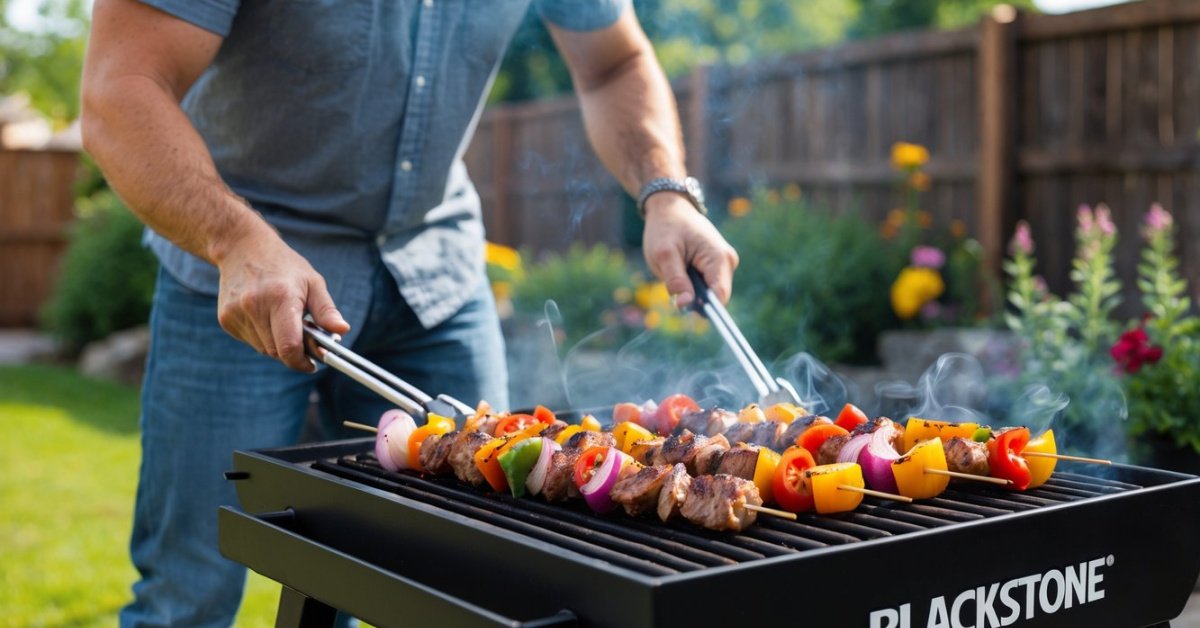
Whenever I fire up the grill for a long cookout, I want everything to turn out just right. There’s nothing worse than guessing if the meat’s done, only to end up with something dry or undercooked. That’s where a leave-in thermometer makes all the difference.
With a leave-in thermometer, I don’t have to keep lifting the lid and losing precious heat. I can relax with friends, keep an eye on the temperature, and know exactly when my food’s ready. It’s a simple tool that takes the stress out of grilling and helps me serve up perfect results every time.
The Challenges of Long Grilling Sessions
Long grilling sessions test both patience and equipment. I often grill briskets, pork shoulders, and ribs, recipes that demand hours of steady heat. Maintaining a consistent temperature over time presents real hurdles.
Heat Loss from Checking Meat
Opening the grill lid to check progress causes temperature swings. Every peek drops internal heat and interrupts the low-and-slow process. During my time running a Texas food cart, even brief lid lifts affected timing and texture for large meat cuts.
Uneven Cooking Temperatures
Large cuts expose grill hot spots and cold zones. Different areas inside the grill sometimes cook faster, and checking by sight alone can lead to uneven results. When I smoke multiple items, such as turkeys and sausages, this inconsistency becomes more pronounced.
Stress from Inaccurate Estimates
Visual checks and guesses don’t guarantee ideal doneness. Waiting for cues like color or juice can result in undercooked or dry meat. For example, brisket often looks done on the outside hours before it hits the right internal temperature.
Long Durations Increase Risk
The longer the cook, the bigger the risk of overcooking or burning. I’ve seen novice grillers struggle during 10-hour cooks, especially when tracking temperature without reliable tools. Minor fluctuations can alter flavor and texture in slow-cooked recipes.
Table: Common Long Grilling Session Challenges
| Challenge | Examples | Impact on Cook |
|---|---|---|
| Heat Loss from Repeated Checks | Opening lid for brisket | Drops temperature, increases time |
| Uneven Cooking Temperatures | Smoking multiple meats | Hot/cold zones, uneven doneness |
| Stress from Inaccurate Estimates | Judging doneness by sight | Overcooked or undercooked food |
| Risk from Extended Cook Durations | 8-12 hour pork shoulder | Greater margin for error |
Consistent, reliable temperature control anchors every successful long grilling session.
What Is a Leave-In Thermometer?
A leave-in thermometer acts as a tool for continuous temperature monitoring during long grilling sessions. I insert the probe directly into the thickest part of the meat, then keep the digital display or dial positioned outside the grill. Unlike instant-read thermometers that require repeated lid opening, leave-in models track internal temperatures in real time, eliminating the guesswork.
Most leave-in thermometers use either a wired or wireless system. Wired types feature a heat-resistant cable that connects the probe inside the grill to a display unit outside. Wireless options, like Bluetooth or Wi-Fi models, send updates right to my smartphone or remote receiver, which works great when I’m managing multiple tasks or prepping sides.
Leave-in thermometers typically show two numbers: the current internal temperature of the meat and the ambient temperature inside the grill. Monitoring both keeps me confident about steady heat, especially for extended cooks like beef brisket, pork butt, or whole chickens.
I look for key features like temperature presets for different meats, customizable alerts, and backlit displays for evening grilling. These thermometers provide accurate, consistent temperature readings—essential for any grill enthusiast serious about results.
Key Benefits of Using a Leave-In Thermometer for Grilling
Every long grill session gets easier—and tastier—with a quality leave-in thermometer. As someone who’s grilled briskets in the Texas heat and tested more meat probes than I can count, I find leave-in models essential for serious bbq.
Continuous Temperature Monitoring
Continuous temperature monitoring helps me maintain perfect cooking conditions throughout the grill session. Since the leave-in thermometer stays in the meat, I track both meat and ambient grill temperatures in real time without opening the lid. Models like ThermoWorks Smoke X and MEATER Plus give instant updates to a receiver or phone, so I can adjust my smoker vents or heat source on the fly.
Improved Food Safety
Improved food safety is easy to achieve with precise, real-time temperature tracking. Undercooking or overcooking, especially with large cuts like pork butt or chicken thighs, risks food safety. By keeping the meat at the USDA-recommended minimum temperatures—like 145°F for pork and 165°F for poultry—I never guess when my food is ready. Reliable leave-in probes give me confidence every rack of ribs is done safely.
Enhanced Cooking Precision
Enhanced cooking precision sets my bbq apart. When working with thick briskets or tomahawk steaks, even a 5°F swing in temperature changes the outcome. Leave-in thermometers let me finish meats right at their optimal doneness point, delivering juicy texture and maximum flavor. The digital displays and alerts mean I hit the exact level of doneness my recipes call for every single time.
Convenience and Peace of Mind
Convenience and peace of mind come standard with a leave-in thermometer. Whether I’m juggling briskets, beans, and sausages at once, or stepping away to prep sides, I know my grill session isn’t interrupted. Wireless units like the Inkbird IBT-4XS send alerts if grill temps drift or meat nears target temperature, so I can relax and enjoy the cookout without hovering over the grill.
Factors to Consider When Choosing a Leave-In Thermometer
Choosing the right leave-in thermometer matters for any long grilling session. Over my years cooking briskets and ribs in Texas, I’ve learned that specific features make a real difference when I want perfect results every time.
Accuracy and Range
Accurate and wide-range temperature readings mean your meat finishes just right. I look for models with accuracy within ±2°F (like the ThermoWorks Smoke X or MEATER Block), since anything less can give unreliable results with large cuts like brisket. Reliable leave-in thermometers usually offer a range from 32°F–572°F, covering everything from slow-smoked pork shoulders to quick-seared steaks. Proven accuracy and temperature range ensure safe, perfectly cooked food, especially when grilling for big gatherings over long hours.
Durability and Build Quality
Grilling outdoors exposes gear to heat, smoke, and weather, so durable build means longevity. I always pick thermometers with stainless steel probes and heat-resistant cables—examples include the ThermoPro TP27 and Weber iGrill 2—because cheap materials just don’t last after multiple 12-hour cooks. Waterproof or water-resistant bodies help with unexpected spills or rain. Rugged construction keeps your thermometer performing flawlessly even during marathon barbecue sessions.
Ease of Use and Features
Clear displays, preset meat temps, and smart alerts make grilling effortless. I rely on digital displays with backlighting for nighttime cooks and preset temperature alarms for brisket or chicken. Wireless models like MEATER Plus let me check temps from my phone, freeing me up to prep sides. Easy-to-clean probes and intuitive controls save time, especially when I’m managing multiple cuts on the smoker. Features like these take the stress out of long grilling sessions and keep me focused on creating delicious barbecue.
Tips for Using a Leave-In Thermometer Effectively
- Insert the probe in the thickest part
I always push the thermometer probe into the thickest part of the meat, away from bone and fat. This position gives me the most accurate reading of the internal temperature for cuts like brisket, pork shoulder, or whole chicken.
- Avoid probe contact with bone or gristle
I make sure the temperature probe never touches bone, gristle, or the grill grate. Bone and hard tissues heat faster than muscle, so contact skews the temperature reading. This matters most for ribs or chops.
- Place the display away from direct heat
I route the probe wire out a vent or a gap, keeping the digital display unit safe from direct flame or high grill temps. Direct heat damages electronics fast, as I’ve learned testing models for 12-hour brisket cooks.
- Set target temperature alerts
I use built-in preset alerts or set custom temperature targets for different meats. My thermometer beeps when the meat reaches the target, which frees me up to prep sides or relax. For example, I set 203°F for Texas-style brisket or 165°F for chicken breasts.
- Monitor both internal and ambient temps
I always keep an eye on both my meat’s internal temp and the ambient grill temperature. Some leave-in thermometers offer dual probes, so I track how steady my cooker runs during long smokes.
- Wipe the probe after each use
I clean the probe with hot, soapy water after every cook and dry thoroughly. Proper care keeps readings accurate and avoids cross-contamination between different meats.
- Check batteries before long cooks
I pop in fresh batteries or confirm a full charge before marathon sessions. I’ve had thermometers die mid-cook, and nothing ruins a brisket faster than a dead display with no backup.
- Use cable clips or heat-resistant gloves
I use cable clips to route wires so they don’t touch hot coals or flinch from vents. For safety, I always handle hot probes with heat-resistant gloves after long high-heat sessions.
| Practice | Purpose/Context |
|---|---|
| Insert in thickest area | Accurate doneness reading |
| Avoid bone contact | Prevent false high temperatures |
| Protect display | Preserve thermometer functionality |
| Set alerts | Multitask efficiently |
| Monitor ambient temp | Maintain grill consistency |
| Clean the probe | Keep hygiene, ensure accuracy |
| Check batteries | Prevent mid-cook failures |
| Use cable clips/gloves | Avoid accidents or wire burns |
Conclusion
Grilling for hours should be fun and stress-free and that’s exactly what a leave-in thermometer brings to the table. I love how it lets me focus on enjoying time with friends and family instead of constantly checking on the food.
With the right leave-in thermometer I’m confident every meal will come off the grill exactly how I want it—juicy tender and perfectly cooked. If you’re serious about your barbecue game this tool is a must-have for your next cookout.


