
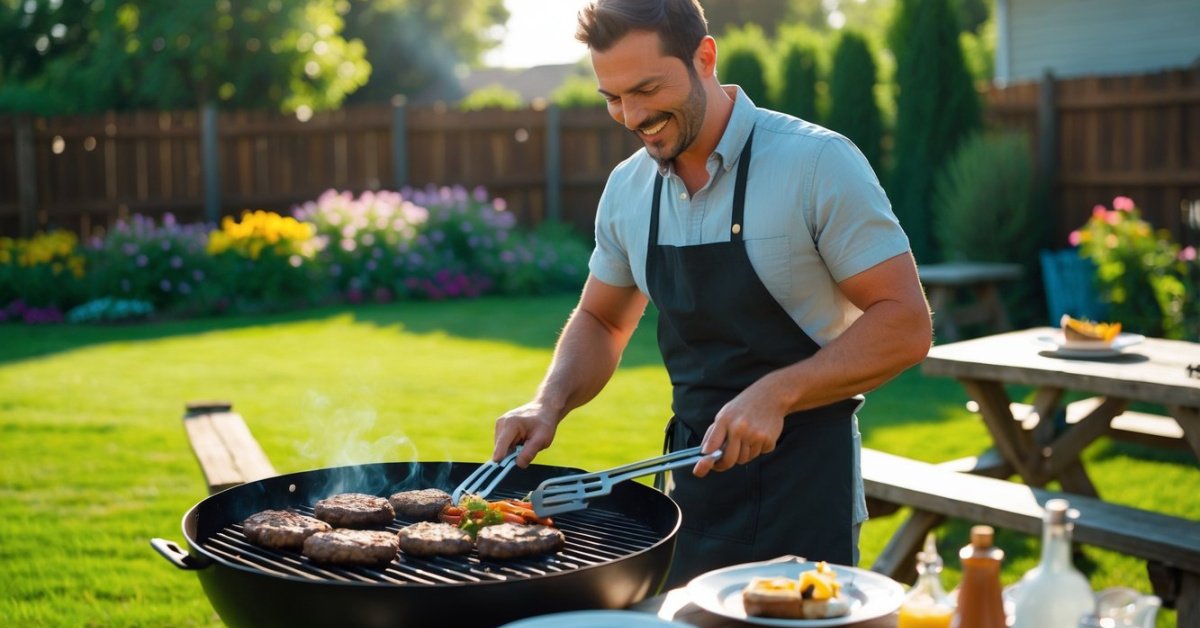
Grilling thin cuts of meat always feels like a high-stakes game. One second too long on the grill and my juicy chicken breast or delicate fish turns dry and tough. I know the right thermometer can make all the difference when every second counts.
I’ve spent plenty of time searching for tools that deliver quick and accurate readings without piercing my steak too deeply. The best thermometers for thin cuts take the guesswork out of grilling and help me serve up perfectly cooked meat every time. Let me share what I’ve learned so you can grill with confidence too.
Why Accurate Temperature Matters for Thin Cuts of Meat
Accurate thermometers keep thin cuts of meat like skirt steak or chicken tenders juicy and safe. Thin meats cook fast—sometimes in under 3 minutes per side—so a few degrees can mean the difference between tender meat and something dry or rubbery.
Precise readings give me control over doneness. A probe off by even 5°F can leave flank steak well-done instead of medium-rare. With thin pork chops, accuracy means avoiding undercooked centers or overcooked edges.
Consistent temperature hits build flavor and texture. Every time I grill fajitas or thin pork loin, I can reproduce the same results by hitting target temperatures, not guessing based on time or color. This reliability lets me impress friends and customers with every plate.
Food safety depends on exact temperature. USDA guidelines for safe internal temps—145°F for pork or beef, 165°F for poultry—help prevent foodborne illnesses. An accurate thermometer removes any doubt when I’m rushing through busy grill sessions.
Confidence at the grill comes from accuracy. Trusting my thermometer lets me focus on seasoning, timing, and enjoying the process without the stress of serving less-than-perfect meat.
Key Features to Look for in a Grill Thermometer
When grilling thin cuts of meat, I always focus on thermometers that deliver quick, spot-on readings. The right features help me avoid dry or uneven results, especially with brisk cooks like skirt steak or chicken tenders.
Fast Response Time
Fast response times let me catch the temperature the moment meat is ready. Most thin cuts don’t stay on the grill long—sometimes just 90 seconds each side—so I count on thermometers that register temps in 2-3 seconds. Instant-read models like the ThermoWorks Thermapen ONE or Lavatools Javelin PRO help me react before overcooking happens.
High Precision and Accuracy
High precision and accuracy guarantee consistent doneness. Thin pieces can go from juicy to dry in a flash, so I look for thermometers rated at ±0.5°F accuracy. Trusted brands, such as ThermoWorks and ThermoPro, list their accuracy ranges in specs or manuals. This precision lets me hit safe serving temps—like 165°F for chicken or 130°F for medium-rare steak—with no guessing.
Probe Design and Length
Probe design and length affect both comfort and correct readings. Short, thin probes—about 2-4 inches—slide into steak tips or chicken strips without tearing through. I stick to tapered, stainless steel options since those glide in easily, helping me pinpoint the center of the meat. Retractable probes or folding designs work best when space on the grill is tight.
Easy-to-Read Display
Easy-to-read displays make a difference on a sunny patio or smoky pit. I prefer large, backlit LCDs that show bold numbers, letting me grab quick reads even in low light. Some models feature rotating screens or auto-brightness, which improve visibility while I’m moving around the grill. A simple one-touch button for switching between °F and °C helps too when I’m sharing tips with friends from abroad.
Top Picks: The Best Thermometers for Grilling Thin Cuts of Meat
After years of grilling in Texas and endless hours testing gadgets, I rely on a select few thermometers for getting thin meats just right. Speed, accuracy, and design matter most when every second counts over high heat.
Instant-Read Digital Thermometers
Instant-read digital thermometers deliver the speed needed for thin cuts that can overcook in under two minutes. Models like the ThermoWorks Thermapen ONE and Lavatools Javelin PRO read temps in 1-3 seconds with ±0.5°F accuracy. Their slim probes slip easily into flank steak, chicken tenders, or pork medallions without tearing through the meat. I always keep a Thermapen handy for late-night grilling or backyard BBQs, as its bright display is easy to read even in low light.
Wireless and Bluetooth-Enabled Options
Wireless and Bluetooth-enabled thermometers let me monitor temps without hovering over the grill. MEATER Plus and ThermoPro TempSpike use app-based readouts, giving me freedom to prep sides or chat while tracking precise temps—essential for fast-cooking cuts like skirt steak. Their compact probes avoid damage to delicate proteins, and I can set custom alarms to pull meat at the perfect doneness, minimizing overcooking risks.
Infrared Thermometers: Pros and Cons
Infrared thermometers excel for surface temperature checks on grill grates or pans, not for internal meat temps. Their no-contact design speeds up checking how hot your cooking surface is before putting down thin filets or kebabs. However, since they don’t penetrate the meat, they can’t measure doneness directly. I use infrared models for grill prep but switch to digital instant-reads for accurate internal temps, especially for thin cuts where a few degrees make a big difference.
Tips for Using Thermometers with Thin Cuts
Insertion matters for thermometers with thin cuts, as accuracy depends on correct placement. I slide the probe sideways into the thickest part, keeping the tip centered for the best internal reading. Surface readings from above or through the edge might miss the hottest zone by several degrees.
Timing stays critical with quick-cooking thin meats—like skirt steak or chicken cutlets. I insert my thermometer near the end of cook time, checking often since a 10-second delay can push a piece past medium-rare to medium.
Calibration ensures thermometers read accurately. Before grilling, I test mine in ice water and boiling water, as recommended by the manufacturer, so I trust each measurement on the grill. For context, the ThermoWorks Thermapen ONE stays within ±0.5°F—saving brisket or tenderloin from over- or undercooking.
Thickness dictates adjustments. For cuts under half an inch thick, like flanken-style ribs, I use the thinnest probe possible—usually less than 2 mm in diameter. Thicker probes can cause juice loss or leave obvious holes that ruin appearance.
Resting meat after checking helps juices redistribute, keeping even thin cuts tender. I recommend at least 2–3 minutes rest for strips and bordered steaks.
Repeat readings from multiple spots in a cut, especially if thickness varies along the meat. Meat sometimes cooks unevenly—checking in two or three places prevents overcooked edges and undercooked centers.
Cleaning the probe between tests prevents cross-contamination. Even in fast-paced grill sessions, I wipe my thermometer with a sanitizing cloth each time, which keeps the process safe and flavors pure.
Conclusion
Grilling thin cuts of meat can feel intimidating but having the right thermometer makes all the difference. I love how a quick and accurate reading lets me focus on flavor and tenderness instead of worrying about overcooking. With a reliable instant-read thermometer in hand I can grill with confidence and serve up juicy perfectly cooked results every time.
Whether you’re making a weeknight dinner or hosting a backyard cookout investing in a quality thermometer is a simple way to level up your grilling game. Happy grilling!


