
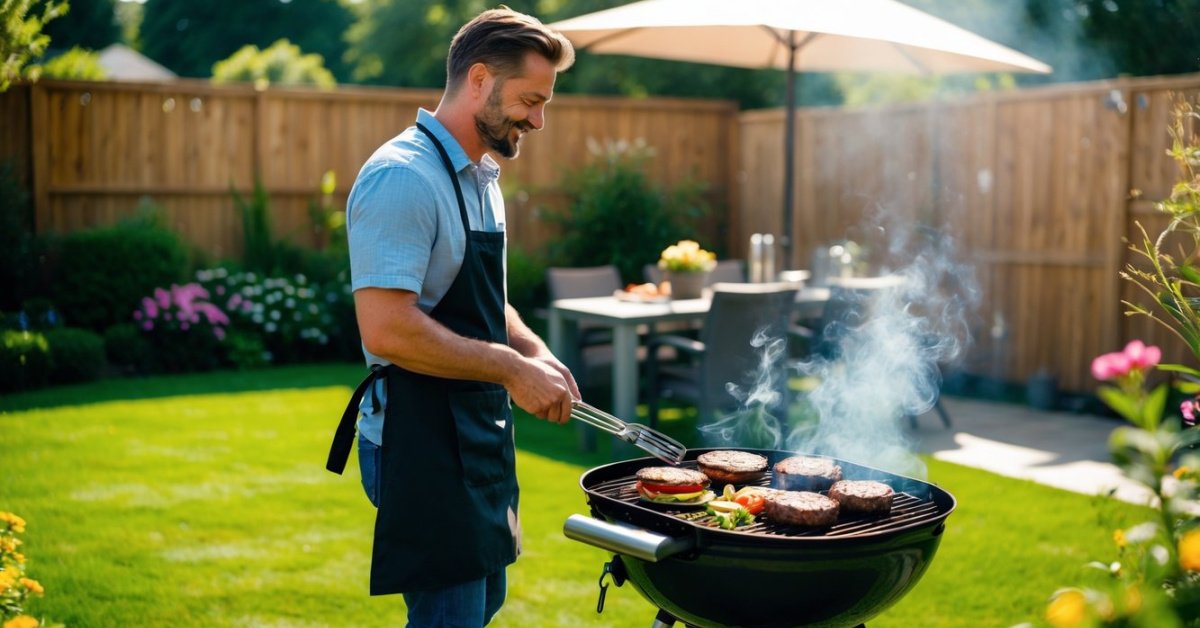
Nothing ruins a backyard barbecue faster than worrying if the chicken’s done. I’ve had my fair share of guesswork at the grill and let’s just say it never ends well. That’s why I always reach for my trusty thermometer before serving up any poultry.
Using a thermometer takes the stress out of grilling and helps me serve juicy chicken every time. It’s a simple tool but it makes all the difference when I want my guests to enjoy their meal and stay safe.
The Importance of Using a Thermometer for Grilling Poultry Safely
Using a thermometer when grilling poultry keeps every bite tender and safe. I never trust color alone, since juices can run clear even when chicken isn’t fully cooked. Undercooked poultry risks pathogens like Salmonella, according to CDC studies from 2023. Over 1 million illness cases in the US every year link to improper poultry handling, including grilling without temperature checks.
Accurately checking internal temperature lets me grill with confidence. I always aim for 165°F (74°C) at the thickest part—whether I’m grilling boneless thighs, bone-in drumsticks, or whole spatchcocked birds. The quick read from an instant-read thermometer replaces guessing or overcooking, so my meals turn out juicy and consistent.
Safe grilling also protects everyone at the table. My barbecue events bring together folks with kids, older adults, and friends who want peace of mind. Using a thermometer for every batch of chicken, turkey, or Cornish hen means no one’s left worrying about foodborne illness.
Thermometers give me results I can repeat. I track different doneness levels across recipes using my collection—digital, dial, and smart thermometers. This data helps me fine-tune my brisket, pork ribs, and poultry cooks, creating charts that anyone learning to grill can use as a benchmark.
Trusting a thermometer turns grilling poultry from guesswork into precision, something I learned in my Texas bbq cart days and continue to appreciate with every cookout.
Types of Thermometers for Grilling Poultry
Choosing the right thermometer for grilling poultry changes the whole experience. As someone who’s tested dozens at my Texas BBQ cart, I know each type brings unique strengths to the table.
Instant-Read Thermometers
Instant-read thermometers deliver quick, accurate readings in 2-6 seconds, ideal when I’m juggling multiple chicken breasts or wings over hot coals. I poke the probe into the thickest part of the meat, seeing temps on a digital or analog display. Brands like ThermoWorks Thermapen and Lavatools Javelin stand out for speed and reliability. Single-use AAA batteries or built-in rechargeable batteries power most models, keeping them ready through long grilling sessions. These tools excel for checking doneness late in the cook, but they’re not meant to be left in meat during grilling.
Probe Thermometers
Probe thermometers monitor internal temperatures throughout grilling, perfect for whole birds or bone-in cuts needing steady tracking. I insert the probe, shut the grill lid, and keep tabs on progress from a countertop display or a smartphone app thanks to wireless models. Examples like ThermoPro TP20 and MEATER Plus offer preset poultry-safe alerts at 165°F, protecting against overcooking or undercooking. Heat-resistant cables or wireless probes withstand the heat of closed grills and smokers, letting me multitask while never missing the moment meat hits the safe zone.
Step-by-Step Guide to Using a Thermometer for Grilling Poultry Safely
Grilling poultry safely hinges on a thermometer and good technique. I follow these steps whenever I fire up the grill for chicken, turkey, or game birds.
Preparing the Poultry and Grill
I always start by patting poultry dry with paper towels since dry skin helps develop that crisp finish on the grill. I trim any excess fat or skin, especially from chicken thighs and wings. Seasonings cling better to dry surfaces, whether I use dry rubs or wet marinades.
For the grill, I preheat to medium-high (350–400°F). Clean grates with a stiff brush to remove residue, then oil lightly. Even heating prevents hot spots, helping poultry cook evenly edge-to-edge.
Proper Placement of the Thermometer
I insert the thermometer probe into the thickest part of the poultry, usually the breast for whole birds or the center for thighs and bone-in pieces. The tip shouldn’t touch bone, fat, or grill grates since that can skew the reading.
When cooking multiple pieces, I check the biggest or most crowded pieces first—heat circulates unevenly, so sizes matter. For whole birds, I make two checks: one in the breast, one in the inner thigh near but not touching bone.
Interpreting Temperature Readings
I trust the thermometer reading over color or juices. For all poultry, 165°F (74°C) signals safety, with no exceptions. Some of my favorite instant-read models display the number in seconds—no guesswork, just precision.
After hitting 165°F, I remove poultry from the grill and let it rest for at least 5–10 minutes. Carryover heat helps finish the cook and juices redistribute, keeping every bite moist. If I test several spots and one still reads below 165°F, I return that piece to the grill and check again before serving.
Common Mistakes to Avoid When Grilling Poultry
- Guessing Doneness by Color
Relying on appearance alone leads to undercooked or dry poultry. I’ve seen chicken breasts that look golden but still linger below the USDA-recommended 165°F (74°C). Checking only color instead of using a thermometer can put guests at risk.
- Using the Wrong Part for Temperature Checks
Inserting the thermometer near bone or fat results in inaccurate readings. I always insert the probe into the thickest part of the breast or thigh, steering clear of bone, since bone conducts heat faster.
- Neglecting Multiple Checks
Testing only one piece or spot misses hidden cold zones. I make several checks, especially with whole birds or trays of thighs, since heat distributes unevenly on the grill.
- Not Calibrating the Thermometer
Assuming the thermometer works out of the box leads to surprises. I check my instant-read or probe thermometer in ice water (32°F/0°C) and boiling water (212°F/100°C) every few sessions to verify accuracy.
- Opening the Grill Too Often
Repeatedly opening the grill releases heat and extends cook times. I trust my wireless probes or quick instant-read models, since this keeps the lid down and maintains a steady grilling environment.
- Ignoring Rest Time
Skipping the 5–10 minute rest after reaching 165°F (74°C) dries out the poultry. I tent my cooked pieces with foil, since this keeps juices from seeping out and locks in moisture.
- Forgetting to Clean the Thermometer
Failing to sanitize the thermometer after each use spreads bacteria from raw poultry. I always clean my probes with hot, soapy water and a sanitizing wipe after every grilling session.
- Trusting Cheap, Unreliable Thermometers
Picking up inexpensive models with slow response times risks food safety. I invest in trusted brands (like ThermoWorks or Lavatools), since accurate readings make all the difference between juicy chicken and disappointment.
Additional Tips for Safe and Delicious Grilled Poultry
- Rest poultry after grilling for juicy results
Resting grilled poultry for 5–10 minutes lets juices redistribute, which keeps meat tender and flavorful. I place chicken breasts or thighs under foil right off the heat to prevent moisture loss.
- Marinate or brine for better flavor and texture
Marinating poultry for 2–24 hours adds flavor and enhances moisture retention. For whole birds, I use a simple brine with salt, sugar, and aromatics—this keeps turkey or chicken thighs juicy after grilling at high temperatures.
- Use indirect heat for thick or bone-in cuts
Indirect heat prevents burning on the outside before large pieces reach a safe internal temperature. I set up a two-zone grill and move bone-in chicken pieces off direct flames, closing the lid to create an oven-like environment.
- Oil the grill grates to prevent sticking
Applying oil to hot grates with a paper towel and tongs before grilling keeps skin-on poultry from tearing or sticking. This technique works for drumsticks, wings, or butterflied chicken.
- Clean and calibrate your thermometer regularly
Cleaning the thermometer with soap and water after each use avoids cross-contamination. Monthly calibration using ice water keeps instant-read models like my Thermapen accurate for every grilling session.
- Avoid cross-contamination with proper handling
Using separate tongs or plates for raw and cooked poultry prevents the spread of harmful bacteria. I keep a clean workspace and replace utensils once chicken comes off the grill.
- Monitor carryover cooking for perfect doneness
Poultry continues to cook after leaving the grill. Removing pieces at 163°F and letting them rest brings the temperature to a USDA-safe 165°F. This method keeps grilled chicken breasts and thighs moist.
- Test new thermometers against a reference model
Comparing readings from a new device to a trusted thermometer ensures grilling accuracy. I test each thermometer in ice water and boiling water before relying on it for my signature brisket or smoked turkey.
Conclusion
Grilling poultry doesn’t have to be a guessing game anymore. With a reliable thermometer and a few simple habits I’ve picked up over the years safe and juicy chicken is always within reach. It feels great knowing my guests can dig in with confidence and I can relax and enjoy the barbecue right along with them.
If you’re looking to up your grilling game and keep everyone at your table safe a thermometer is truly your best friend. Trust me—once you start using one you’ll never want to grill poultry without it again.


