
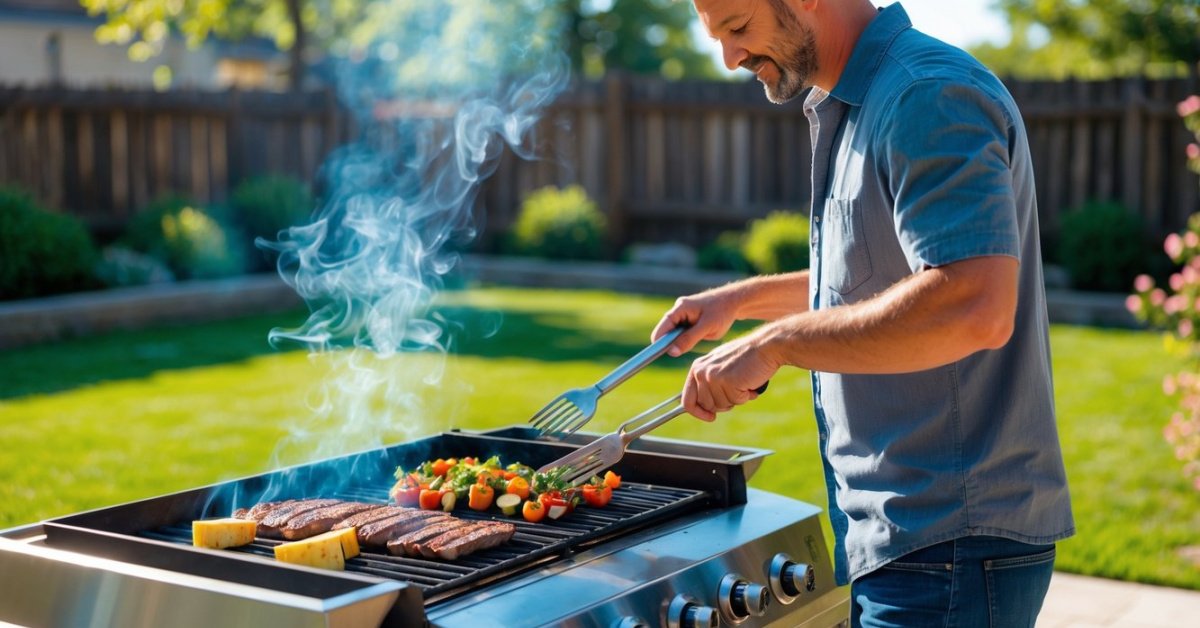
Grilling on a breezy day always sounds like a good idea until the wind starts messing with my cooking routine. I love the challenge but I’ve learned that high winds can throw off my grill’s temperature and make it tough to get an accurate read with my thermometer. There’s nothing worse than overcooking a perfect steak just because the wind played a trick on me.
I’ve picked up a few tricks over the years to make sure I still get spot-on results even when the weather isn’t cooperating. If you’re like me and don’t want to let a little wind ruin your barbecue plans you’ll want to know how to use your thermometer the right way when things get gusty.
Understanding the Challenges of High-Wind Grilling
High-wind grilling creates unpredictable temperature zones across the grill surface. Gusts remove heat from under grill lids, often dropping the ambient temperature by over 50°F within seconds, affecting everything from brisket to pork ribs.
Thermometers produce inconsistent readings when cold air keeps hitting the probe or grill grates directly. I see digital models like the ThermoWorks Smoke X swing wildly by 10°F or more if wind exposes the probe tip, especially on gas grills with thinner metal.
Flare-ups happen more during windy bbq sessions. Extra oxygen causes flames to rise or move unexpectedly, requiring me to check hot spots often and reposition food away from wind-exposed edges.
Grill lids lose more heat as high winds pass over vents. My old offset smoker in Texas needed extra fuel and vent adjustments with every stiff breeze. Insulated pellet grills hold temp better, but wind can still disrupt the burn rate and confuse built-in thermometers.
Monitoring food becomes less reliable outdoors when wind speeds exceed 15 mph. Even the best instant-read thermometers like the Thermapen One show longer stabilization times if I can’t shield the probe from wind during checks.
Grill locations with little wind protection, for example, patios without fences or grill tents, make it harder to control temperature and maintain trusted thermometer readings. I always recommend a sheltered grilling station for more accurate results.
Choosing the Right Thermometer for Windy Conditions
Getting reliable readings in high-wind grilling depends on picking a tool that stands up to the elements. Over the years running my Texas bbq cart and testing gear outdoors, I’ve learned what features actually matter when wind threatens to throw off your cook.
Features to Look For
- Wind-Resistant Probes
I choose thermometers with short, sturdy probes when grilling in windy weather. Short probes reduce bending or wavering caused by gusts, which keeps readings stable even when wind speeds top 15 mph.
- Fast Read Times
I always reach for thermometers with sub-3 second response times. Faster sensors capture true temperature before wind cools down exposed meat or probe tips—Key for maintaining steak doneness.
- Backlit Digital Displays
I prefer bright, backlit screens with bold numbers. Direct sun and flying dust make analog dials tough to read, so digital models show numbers clearly from any angle or in shaded spots behind the grill.
- Water and Dust Resistance
I rely on units with at least an IP65 rating. Grill-side wind stirs up fat splatter and debris, but water and dust seals stop damage and guarantee longevity during Texas spring storms.
Recommended Types of Thermometers
- Instant-Read Digital Thermometers
I grab handheld instant-read models with wind-proof construction and fast sensors like the Thermapen ONE. These thrive in open-air setups and give me near-instant feedback when steaks demand precision.
- Wireless Probe Systems
I use wireless multi-probe thermometers—MEATER Block and ThermoWorks Smoke X Series cases in point—when managing several cuts on blustery afternoons. Wind can force you away from direct grill access, but real-time Bluetooth or radio readouts let me monitor temps from shelter.
- Leave-In Oven Thermometers with Clips
I trust leave-in models with sturdy attachment clips for indirect heat cooks. Adjustable clips keep sensors locked down even if the wind shifts, preventing probe tip movement that can skew readings.
Choosing hardware with these features keeps grilling sessions accurate no matter how hard the wind blows. Every successful bbq in my backyard proves that the right thermometer pays off when Texas gusts whip through.
Preparation Tips Before Grilling in High Winds
I always plan a few extra steps when grilling with a thermometer in gusty conditions. Careful setup and calibration boost thermometer accuracy and help keep my grilling results consistent.
Positioning Your Grill and Workspace
I position my grill with its back to the prevailing wind direction, which blocks direct gusts from hitting the main cooking area. I set up windbreaks using metal panels, plywood sheets, or even coolers along the sides, leaving enough ventilation for safety. I place my thermometer and tools inside a lidded container or wind-shaded tray near the grill to protect them from temperature swings and airborne debris. Grill lids close tightly to reduce additional heat loss, and I anchor my work surface to prevent shifting during brisk gusts. These adjustments let me control temperature zones around the grill more precisely.
Calibrating Your Thermometer
I always calibrate my thermometer before I start cooking, since high winds can amplify even small accuracy issues. I perform an ice water test or boiling water test outdoors at the actual grill site to match ambient wind conditions. For digital thermometers, I check the sensor and batteries for stable readings before every grilling session. I avoid leaving the probe or display in direct wind exposure for long periods and shield them behind the grill lid until I’m ready for a reading. Consistent thermometer checks throughout the cook keep readings accurate despite temperature fluctuations caused by erratic winds.
Best Practices for Accurate Temperature Readings
Getting reliable temperature readings takes extra care when grilling in high winds. I’ve spent years behind a BBQ cart in Texas, learning how even top-shelf thermometers can misread temps on a blustery day. Here’s how I fine-tune my approach so every brisket or steak comes out just right.
Shielding the Thermometer from Wind
Blocking wind from the probe keeps the thermometer honest. I use a folded metal pan lid, a sturdy spatula, or my own hand as a shield when taking a reading—never letting gusts hit the probe tip. Placing the grill’s lid down as much as possible also protects thermometers left inside. I check that wireless receivers stay behind a windbreak or inside my gear box, not dangling beside the flames. Quick shielding cuts out temperature spikes caused by sudden wind chill.
Taking Quick and Consistent Measurements
Getting a fast, accurate read is critical. I insert the probe into the thickest part of the meat, away from bone or fat pockets, always in the same spot for each check. With my instant-read models, I watch for the temperature to stabilize for 2-3 seconds, then pull it out immediately. I time my checks to minimize how long the grill stays open—each second the lid’s up, internal temps drop faster than most expect. Using this strategy, I repeat readings throughout the cook, tracking a pattern instead of relying on a single check. Consistency reveals trends and stops wind-driven surprises.
Safety Considerations While Grilling in the Wind
Wind increases fire risk—gusts feed flames by forcing more oxygen into open grills and pushing hot embers out of charcoal setups. I always keep a fire extinguisher or a heavy-duty spray bottle within arm’s reach. Wind lifts lightweight items fast, so I secure paper towels, mitts, and grill tool handles, anchoring everything nonessential in a closed storage bin.
Unsecured grill lids can slam shut or fly open, especially on kettle-style or cart grills. I latch or weigh down lids whenever I’m working with the thermometer or tending food. Loose thermometers become hazards if knocked into the fire by a strong gust—whenever possible, I use probe or wireless models that anchor safely to the grill grates.
Flying debris—like dust or leaves—often gets blown onto the cooking surface or into food on extra-windy days. I use grill covers, windbreaks, or even arrange patio chairs close by to keep debris away from the workspace.
I never let kids or pets near the grill area while the wind’s up. Unpredictable flare-ups and shifting hot spots make the zone riskier than calm weather sessions. Keeping extra distance around the grill ensures nobody surprises me or bumps into my thermometer setup.
I monitor carbon monoxide risks anytime I grill in semi-enclosed spaces like patios or garages to avoid cold wind. Proper airflow’s needed, so even on a windy day, I never block vents or create a completely sealed windbreak. Efficient venting ensures smoke and exhaust stay away from the cooking zone.
Troubleshooting Common Issues
Thermometer readings fluctuate drastically
I see digital thermometer readouts jump by 10°F or more when wind blows directly onto the probe. This mainly happens when the grill lid’s open or wind tunnels through vent gaps. Placing a wind block—like a foil-wrapped pan or a heavy spatula—between the probe and incoming gusts stabilizes numbers. Checking readings with the lid down or shielded helps, too.
Probes give inconsistent results between checks
My probes sometimes report different internal temps in the same meat spot on windy days. This happens when the probe tip faces open air or gets exposed too long while I position it. I insert the probe quickly, avoid contact with bones, and angle the tip to stay shielded by meat, not sticking out toward wind or grill edges.
Wireless signals drop or act erratically
Wind, flying debris, or a distant receiver can disrupt wireless thermometer performance fast. I always use receivers within 10-15 feet of the grill, keep base units low and shielded, and check batteries before cooking. Heavy windbreaks or metal trays help shield the hardware from gusts and improve connection stability.
Display hard to read or powers down
Bright sun and swirling ash can block the screen, while strong gusts may trick some digital units into entering sleep mode if left unattended. I use backlit models with sturdy covers, and position the display so the screen faces away from wind and glare. Some newer thermometers beep if wind triggers an idle state, so I keep screens clean and dry.
Probe tip corrosion or error codes
Wind drives moisture, ash, and grit into connectors and probe tips, leading to corrosion or sensor errors. After each session, I clean probes and connector areas using a damp cloth followed by quick drying. I avoid submerging electronic parts, and store thermometers in protective cases between uses.
Unusual “done” alerts or missed target temps
High wind causes grill heat swings, making some thermometers misjudge cook progress and announce “done” early or miss target alerts. I double-check meat doneness with a backup instant-read thermometer on windy days, especially for thick cuts, and trust the lower reading if two probes disagree.
Conclusion
Grilling in high winds can feel intimidating but with the right thermometer and a bit of extra care it’s totally doable. I’ve learned that a few simple adjustments can make all the difference when the weather isn’t cooperating.
With a little planning and the right tools you’ll still enjoy juicy steaks and perfectly cooked burgers even on blustery days. Don’t let the wind keep you from firing up the grill and making great memories outside.


