
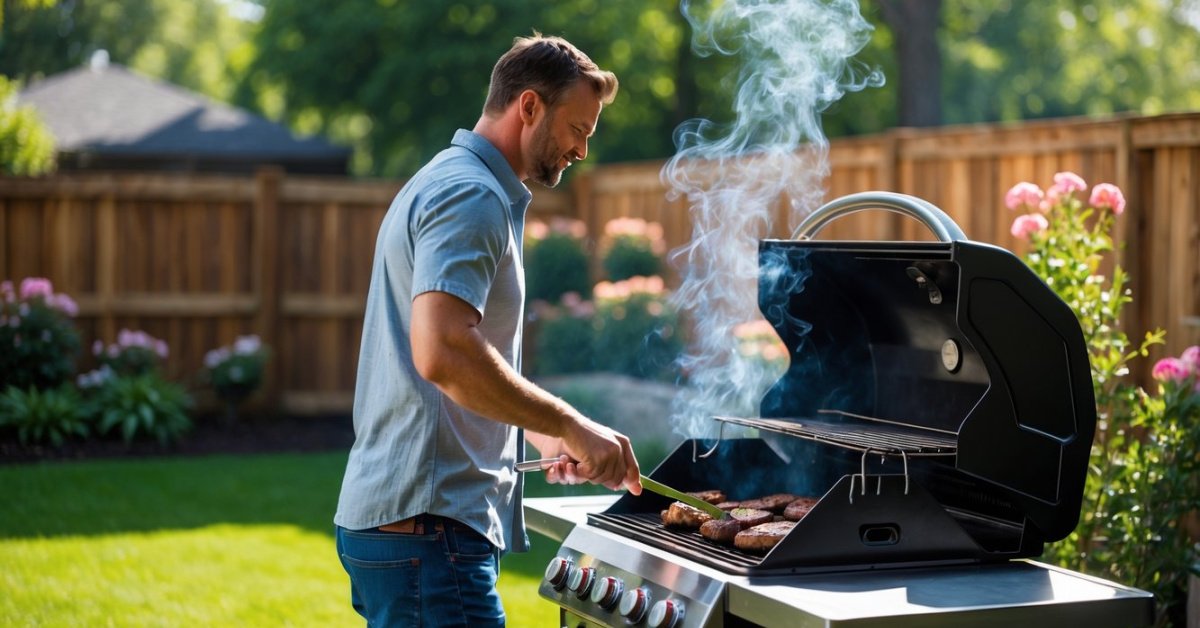
Grilling on a small portable grill is one of my favorite ways to enjoy the outdoors. Whether I’m at a tailgate or camping with friends I love the simplicity and fun these compact grills bring. But getting the perfect sear or juicy burger isn’t just about fire—it’s about knowing the right temperature every time.
I’ve learned that a reliable thermometer makes all the difference. It takes the guesswork out of grilling so I can focus on flavor and fun instead of worrying about undercooked food. Let’s explore the best thermometers that help make every meal on a small portable grill a success.
Why Accurate Thermometers Matter for Small Portable Grills
Accurate thermometers transform the grilling process on small portable grills by delivering precise temperature readings. Small grill surfaces, like those under 300 square inches, react sharply to heat changes and hot spots. When I used my bbq food cart in Texas, I saw even a 10°F swing could dry out chicken wings or undercook brisket sliders.
Food safety depends on accuracy—USDA guidelines set clear doneness temps, like 165°F for poultry and 145°F for pork. Guessing puts food at risk. My favorite cookouts have always come from monitoring temps with proven-accurate digital thermometers, minimizing undercooked burger risks for kids and friends.
Consistent results matter for any grill, but with small portable models, recovery after opening the lid is slower because the grill loses more heat. Quick, precise readings keep steak juicy and vegetables crisp, letting me serve exactly what I want without second-guessing doneness or texture.
Thermometer accuracy also saves fuel. Small grills with limited charcoal or propane need tightly managed cook times. When I go camping, less guesswork means more control, so I’m not constantly opening the lid and wasting heat just to check food by eye.
Smart investing in a precise thermometer means better food, safer meals, less waste, and a more enjoyable grilling experience—even on the smallest, most portable setup.
Key Features to Look for in Grill Thermometers
When I grill on a small portable setup, I count on my thermometer for reliability and precision. Picking the right one means checking a few critical factors that match portable grill needs and real BBQ conditions.
Temperature Range and Accuracy
Every grill thermometer I trust includes a temperature range of at least 32°F to 572°F, covering common meats like brisket, chicken, and pork chops. Accurate thermometers, usually ±1.8°F, give immediate feedback, which matters when searing steaks or slow-cooking sausages. I always compare readings against a reference like the ThermoWorks Thermapen ONE to confirm consistency.
Size and Portability
Compact thermometers, such as the Lavatools Javelin or Weber Instant Read, work best for portable grilling. These devices slip into apron pockets or grill tool bags and don’t crowd my small working surface. I avoid bulky probes and look for foldable or slim designs to fit the fast pace of camp or tailgate cooking.
Durability and Weather Resistance
Many grilling sessions stay outside, so I only keep thermometers with rugged housings and waterproof ratings—at least IP65. Brands like ThermoPro and Maverick use heavy-duty plastic and stainless-steel probes, which stand up to drops, splashes, and occasional bumps on rocky BBQ sites. Durable gear lasts longer, even when I cook in unpredictable Texas weather.
Ease of Use and Display Options
Readable displays help most when grilling at night or adjusting temperatures fast. I rate large backlit screens, auto-rotating displays, and easy one-handed operation, like with the Inkbird IHT-1P or MEATER Plus. Simple interfaces and clear units (°F/°C) let me focus on the bark of a brisket or the char of hotdogs—not fiddling with buttons.
Top Picks: The Best Thermometers for Small Portable Grills
Through years grilling on the go, I’ve tested a range of thermometers in real backyard, tailgate, and campsite settings. Each of these stands out for reliability, speed, and simplicity on small portable grills—where every degree matters.
Best Overall Thermometer
ThermoWorks Thermapen ONE tops my list for small portable grills. I consistently get accurate readings within 1 second, even when grilling steaks or chicken thighs outdoors. Its ±0.5°F accuracy, wide temperature range (−58°F to 572°F), and rotating backlit display let me check temps fast at any angle, day or night. I toss it in my grilling bag—its splashproof construction (IP67) and folding probe have handled everything from Texas heat to campground rains.
Best Budget Option
For budget-conscious grillers, the Lavatools Javelin PRO Duo offers impressive precision. My tests show a 2-3 second response time and accuracy within ±0.9°F for less than $30. It fits easily in a pocket and the auto-rotating display helps me read temps easily, even when grilling in tight quarters. The magnetic back secures it to my grill side table, so it’s always at hand for hot dogs, burgers, or brats.
Best Wireless/Bluetooth Thermometer
MEATER Plus is my pick for wireless convenience. I’ve used it for slow-cooking ribs and thick pork chops on portable setups—no wires to tangle with. Its dual sensors track both internal meat and ambient grill temps up to 165 feet away via Bluetooth. The MEATER app’s real-time guidance lets me relax with friends while still tracking doneness from across the yard or campsite, making multitasking a breeze.
Best Instant-Read Thermometer
The ThermoPro TP19H delivers reliable instant-read results for small portable grills. I grab this one when I’m juggling multiple cuts or grilling at night. It shows temperatures in 2-3 seconds—accuracy falls within ±0.9°F. The waterproof, foldable design makes it durable enough for camping trips and spontaneous tailgates. Backlit display helps me avoid overcooking, even when flipping burgers after sunset.
How to Use and Maintain Your Grill Thermometer
Using and caring for a grill thermometer guarantees results you can taste, whether I’m grilling steak in my backyard or flipping skewers at a tailgate. Knowing the right way to use and maintain it keeps every burger and brisket consistently perfect.
Proper Placement for Accurate Readings
Probe placement decides if you get a juicy center or overdone edges. I insert the thermometer probe into the thickest part of the meat, making sure it’s away from bone and fat for core temperature accuracy. For burgers or steaks, I angle the probe sideways into the center to avoid thinner edges. When I’m monitoring grill surface temperature, I position the probe close to, but not in direct contact with, the hottest grill spot. Accurate placement helps every thermometer—instant-read or wireless—read true, which becomes especially critical on compact portable grills where hotspots develop fast.
Cleaning and Storage Tips
Cleanliness prolongs life and guarantees precision. After every use, I wipe down the probe with a damp cloth and mild soap, rinsing thoroughly. For stubborn residue after ribs or sausages, I use a bit of white vinegar on a paper towel, then dry the probe immediately. I never submerge digital parts or leave probes soaking. For storage, I keep my thermometer in a protective sleeve or hard-shell case, away from direct sun or excessive humidity—heat and moisture compromise sensors over time. Regular cleaning and careful storage keep thermometers ready for my next outdoor feast.
Conclusion
Grilling on a small portable grill is one of my favorite ways to enjoy the outdoors and good food with friends. With the right thermometer in my toolkit I can relax and focus on flavor instead of worrying about undercooked burgers or overdone steaks.
A dependable thermometer really does make all the difference when it comes to getting the most out of every cookout. No matter where I set up my grill I know I’m ready for delicious results every time.


